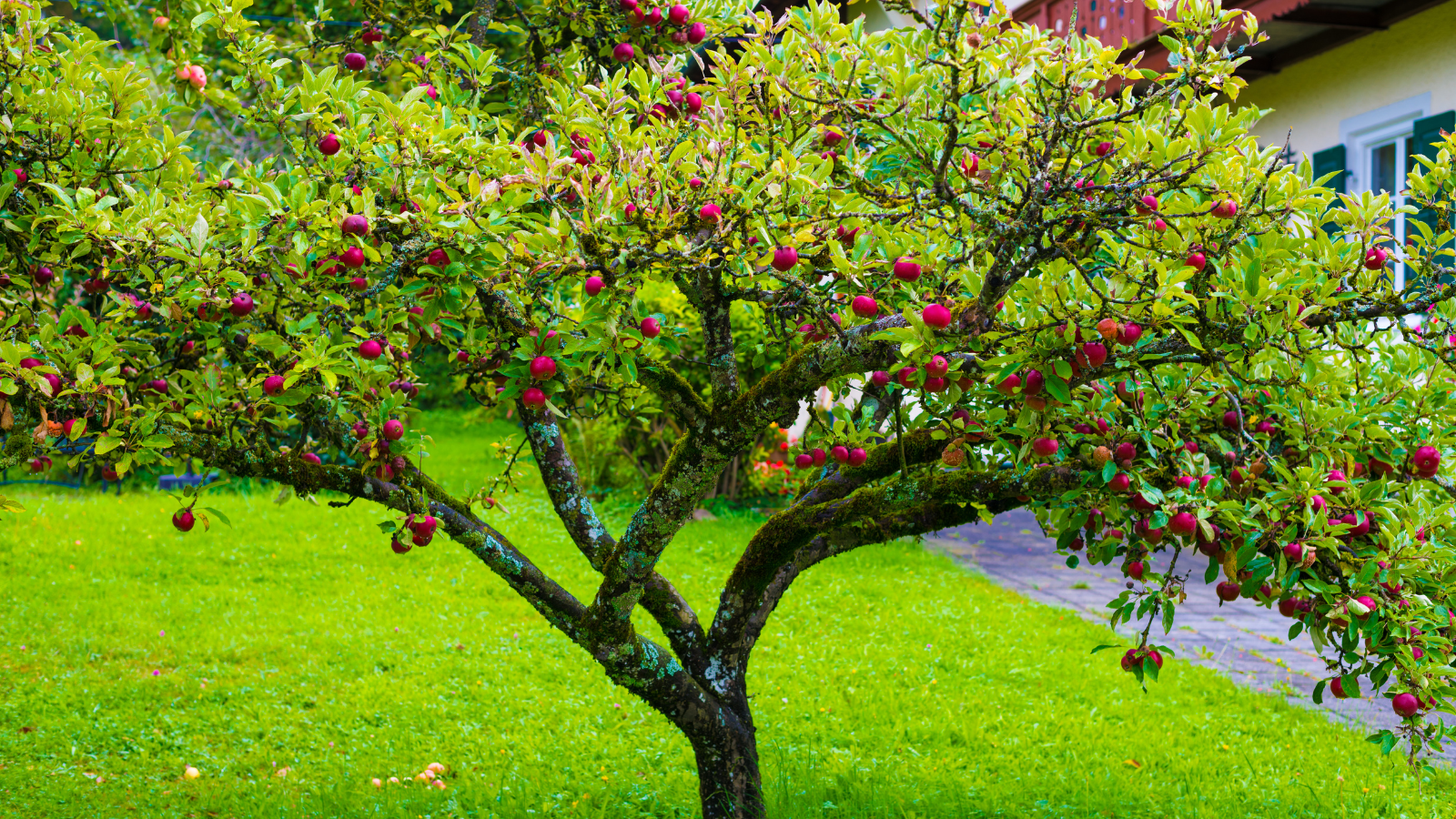


The garden benefits of trees extend far beyond simply adding greenery to an outdoor space. Healthy, appropriately positioned trees can provide shade, create privacy, improve garden structure and offer valuable habitats for wildlife, all while contributing to the character of a property.
However, gaining these benefits depends on managing trees correctly. Trees that become overcrowded, diseased or structurally unstable may eventually create more problems than advantages, making professional maintenance an important part of long-term garden care.
Garden Benefits of Trees for Shade and Shelter
One of the most immediate advantages of a mature tree is shade.
During warmer periods, a well-positioned canopy can create a comfortable area of the garden where people can sit away from direct sunlight. Trees can also provide shelter from wind and help create more defined areas within an otherwise open garden.
This can make outdoor spaces more usable, particularly where seating areas or patios would otherwise be heavily exposed.
Tree size and positioning remain important, however. A canopy that becomes excessively dense may block more light than intended, while branches growing too close to buildings can require management.
Garden Benefits of Trees for Privacy
Trees can also contribute to natural screening.
In gardens overlooked by neighbouring properties, an established canopy can provide privacy without creating the completely solid visual barrier associated with fencing or walls.
Trees can work especially well alongside hedging and other planting to create layered screening.
The same approach to natural materials is often valued in interior design. Hardwood, engineered wood and other wood flooring options are used indoors for their natural appearance, while living trees provide texture and visual character outside the property.
Care should be taken when selecting or maintaining trees for privacy, as allowing unchecked growth can eventually create conflicts with neighbouring gardens or structures.
Trees Can Support Garden Wildlife
Trees can provide food, shelter and nesting opportunities for numerous species.
Leaves, flowers, fruits, bark and branches can all form part of a wider garden habitat. Mature trees may support birds and insects while fallen organic material can also contribute to ecosystems at ground level.
Severn Tree Management’s guidance on recycling tree waste also highlights ways in which branches, hollow logs and other tree material can be retained to create habitats for insects and other wildlife.
Where safe and appropriate, garden management does not always need to mean removing every piece of natural material immediately.
Garden Benefits of Trees for Structure and Appearance
Trees add vertical structure to garden design.
Smaller plants, lawns and flower beds primarily occupy the lower levels of a garden, whereas trees introduce height and can help frame different areas.
A well-shaped tree may:
- Draw attention to a particular part of the garden
- Provide a focal point
- Create separation between different spaces
- Add seasonal colour
- Soften fencing and hard landscaping
- Create a more established appearance
Regular management can help maintain these benefits as the tree matures.
Professional Tree Care Helps Maintain the Benefits
Trees are living structures that continually change.
Branches grow, crowns become denser and existing defects can worsen over time. Professional pruning can manage this growth while retaining a healthy and balanced tree.
Severn Tree Management offers crown lifting, crown thinning, crown reduction, tree pruning and pollarding depending on the tree and management objective.
Crown lifting, for example, can increase clearance beneath lower branches, while crown thinning can reduce density within the canopy.
Professional advice is especially useful before significant pruning because excessive or inappropriate cutting may weaken a tree or encourage undesirable regrowth.
Healthy Trees Need Regular Observation
Homeowners do not need to be arborists to keep an eye on their trees.
Changes worth investigating include:
- Increasing quantities of deadwood
- Broken limbs
- Sudden changes in leaf density
- Cracks around major unions
- Fungal growth
- Significant leaning
- Damaged bark
Regular observation means professional advice can be sought earlier if something begins to change.
It can also prevent routine maintenance from turning into an emergency removal situation.
Final Thoughts
The garden benefits of trees include shade, privacy, visual structure, wildlife value and a more established outdoor environment. Healthy trees can become some of the most valuable features of a garden, particularly when they are given enough space and managed correctly as they mature.
The objective should not be to constantly cut trees back, but to maintain them in a way that balances their health with the needs of the surrounding property.
If your garden trees require pruning, crown management, health assessment or removal, contact Severn Tree Management today for professional tree surgery and arboricultural advice.