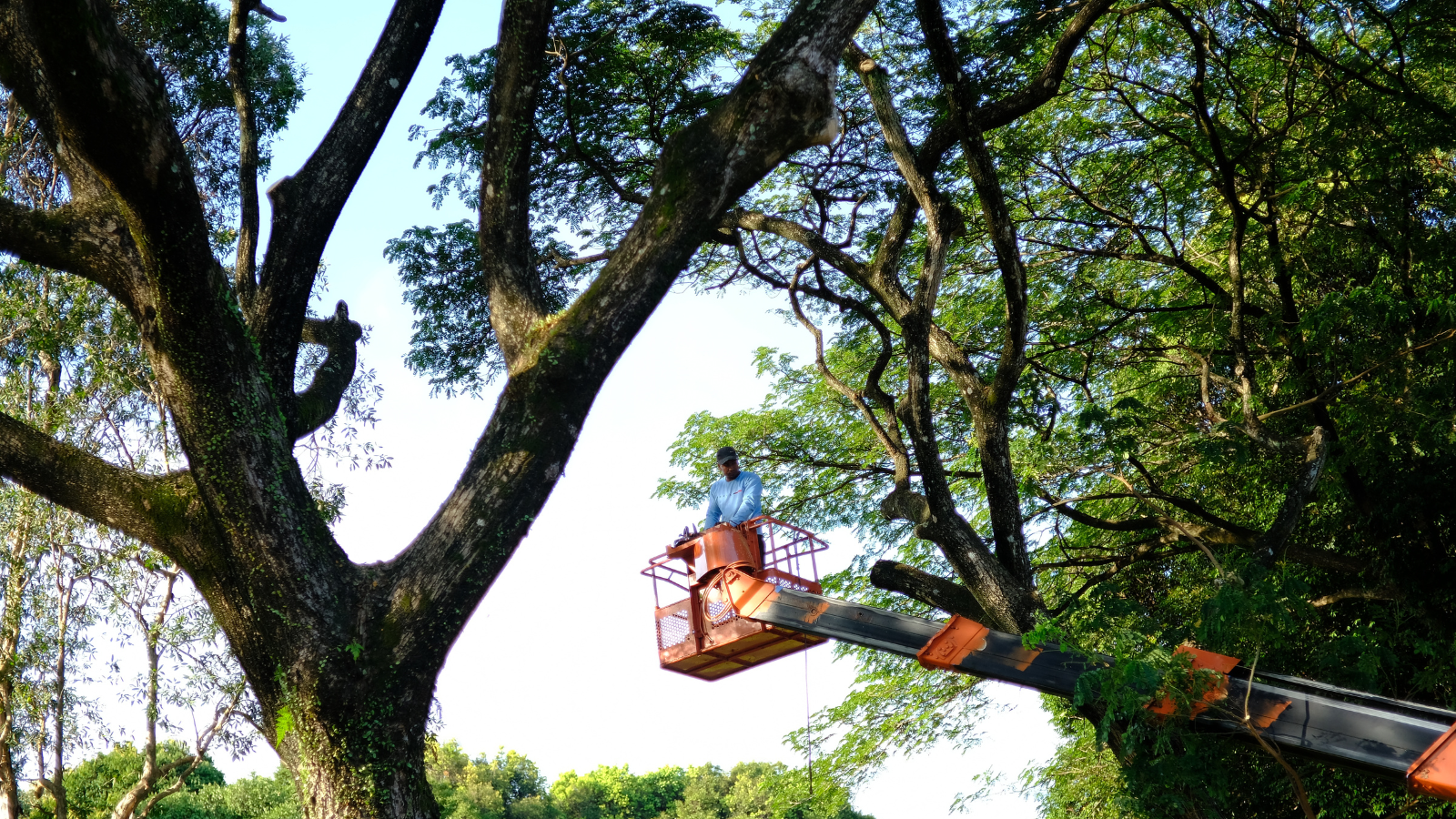


Nature’s giants, the trees, play a crucial role in maintaining ecological balance, providing oxygen, and enhancing the overall beauty of our surroundings. However, there are times when a tree must be felled due to disease, safety concerns, or urban development. What remains after the tree removal is the stubborn and often unsightly tree stump. But fear not – the journey from stump to spectacular is an exciting one, involving various treatment methods to transform that lingering remnant into something both functional and aesthetically pleasing.
Stump Grinding: The First Cut is the Deepest
Stump grinding is a common and efficient method of stump treatment. A professional tree surgeon is employed to grind the stump down to wood chips, making it easier to level the ground and eliminating any tripping hazards. This method is practical and relatively quick, making it a popular choice for those looking to repurpose the space left behind by the removed tree.
Chemical Decomposition: Nature’s Own Recipe
For those with patience and an eco-friendly mindset, chemical decomposition is a natural method to break down a tree stump over time. Applying a commercial stump removal chemical accelerates the decomposition process, allowing microbes to feast on the wood. While this method requires time, it is a hands-off approach that is less physically demanding than other options.
Burning: A Fiery Farewell
Burning a tree stump is a traditional and effective method, although it’s important to follow safety guidelines and local regulations. Creating a controlled fire over the stump gradually reduces it to ashes. This method is suits best those with experience and caution, ensuring the fire is calm and doesn’t pose a risk to nearby structures or vegetation.
DIY Removal Techniques: Sweat Equity
For the do-it-yourself enthusiasts, you can employ several manual methods to remove a tree stump. This may include digging around the stump to expose its roots, cutting them away with an ax or saw, and then leveraging the stump out of the ground using a shovel or pry bar. While physically demanding, this method provides a sense of accomplishment for those who prefer a hands-on approach.
Creative Stump Utilization: Art and Functionality
Instead of completely removing a tree stump, consider incorporating it into your landscape design. Transform the stump into a natural planter, a decorative focal point, or even a functional seating arrangement. Carving the stump into sculptures or using it as a base for a tabletop are innovative ways to turn an eyesore into an asset.
Conclusion
The treatment of tree stumps is not merely about their removal; it’s an opportunity to showcase creativity and environmental responsibility. Whatever method of stump removal you choose, there’s a method that suits your preferences and the needs of your space. Embrace the transformation from stump to spectacular, and let nature’s remnants contribute to the beauty of your surroundings.