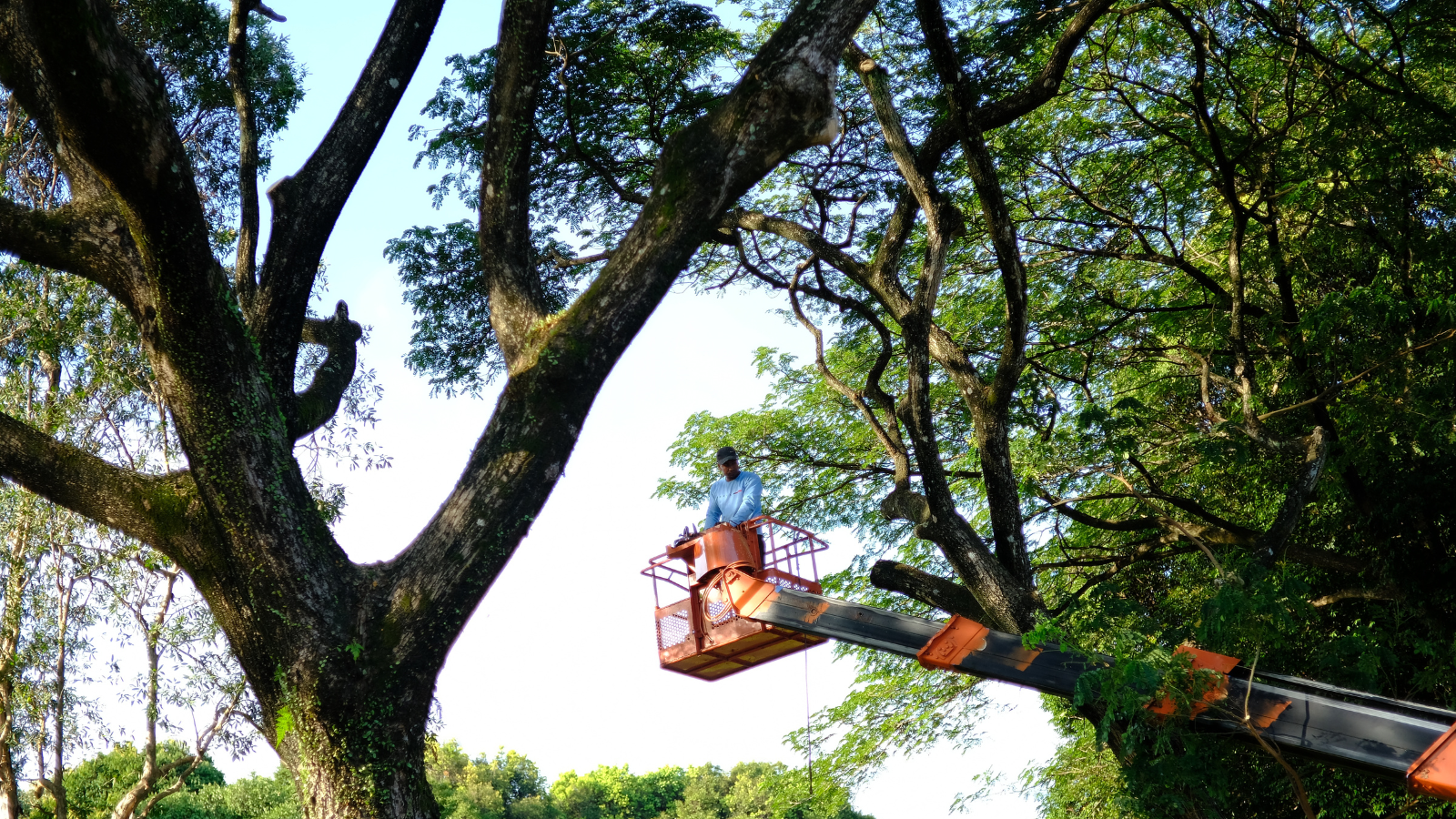


Trees are one of the most valuable natural resources we have. From improving air quality to providing vital habitats for wildlife, they play a crucial role in maintaining a healthy environment. Proper tree care is essential to ensure these benefits are maximised, particularly in urban areas where green spaces are limited. In this blog, we explore the environmental benefits of tree care and why it is a crucial factor in diminishing environmental issues.
Improved Air Quality
Trees act as natural air filters by absorbing pollutants such as carbon monoxide, sulphur dioxide, and nitrogen dioxide while releasing oxygen. Regular pruning and maintenance help trees stay healthy, allowing them to perform this function more effectively. A well-maintained tree canopy in urban areas can significantly reduce air pollution, improving public health.
Carbon Sequestration and Climate Change Mitigation
One of the most critical environmental roles of trees is their ability to absorb carbon dioxide (CO2) from the atmosphere. By storing carbon in their trunks, branches, and roots, trees help mitigate the effects of climate change. Proper tree care, including mulching, pruning, and disease management, ensures trees remain strong and continue to sequester carbon efficiently.
Enhanced Biodiversity and Wildlife Support
Healthy trees provide essential habitats for a wide range of wildlife, including birds, insects, and mammals. Dead or diseased trees can pose risks to biodiversity if they are left unchecked. Responsible tree care, such as controlled pruning and removing hazardous branches, helps maintain safe and sustainable ecosystems for various species.
Prevention of Soil Erosion and Flooding
Tree roots play a vital role in stabilising soil and preventing erosion. In areas prone to flooding, trees can help absorb excess rainwater, reducing the risk of water runoff and soil degradation. Proper tree care, such as mulching and soil aeration, enhances root health and strengthens their ability to protect against erosion.
Temperature Regulation and Urban Cooling
In cities and towns across the UK, trees provide much-needed shade, reducing the urban heat island effect. A well-maintained tree canopy helps lower temperatures by providing shade and releasing moisture into the air. Regular pruning and crown thinning allow trees to remain healthy and contribute to cooling effects, making urban spaces more comfortable during hot summers.
Noise Reduction
Trees act as natural sound barriers by absorbing and deflecting noise pollution from roads, railways, and urban areas. Strategic planting and maintenance of trees in residential and commercial spaces can help reduce noise levels, creating a quieter and more peaceful environment.
Sustainable Tree Planting and Conservation
While tree planting initiatives are essential, ongoing care and maintenance are just as crucial for long-term environmental benefits. Neglected trees can become diseased or structurally weak, reducing their ability to provide ecological benefits. Professional tree surgery services ensure that trees remain strong, resilient, and continue to support the environment for generations to come.
Conclusion
Caring for trees is about more than just aesthetics—it’s a commitment to environmental sustainability. From improving air quality to supporting biodiversity and preventing climate-related challenges, well-maintained trees offer countless ecological advantages. By investing in professional tree care services, we can protect our green spaces and ensure that trees continue to enhance the environment for future generations.