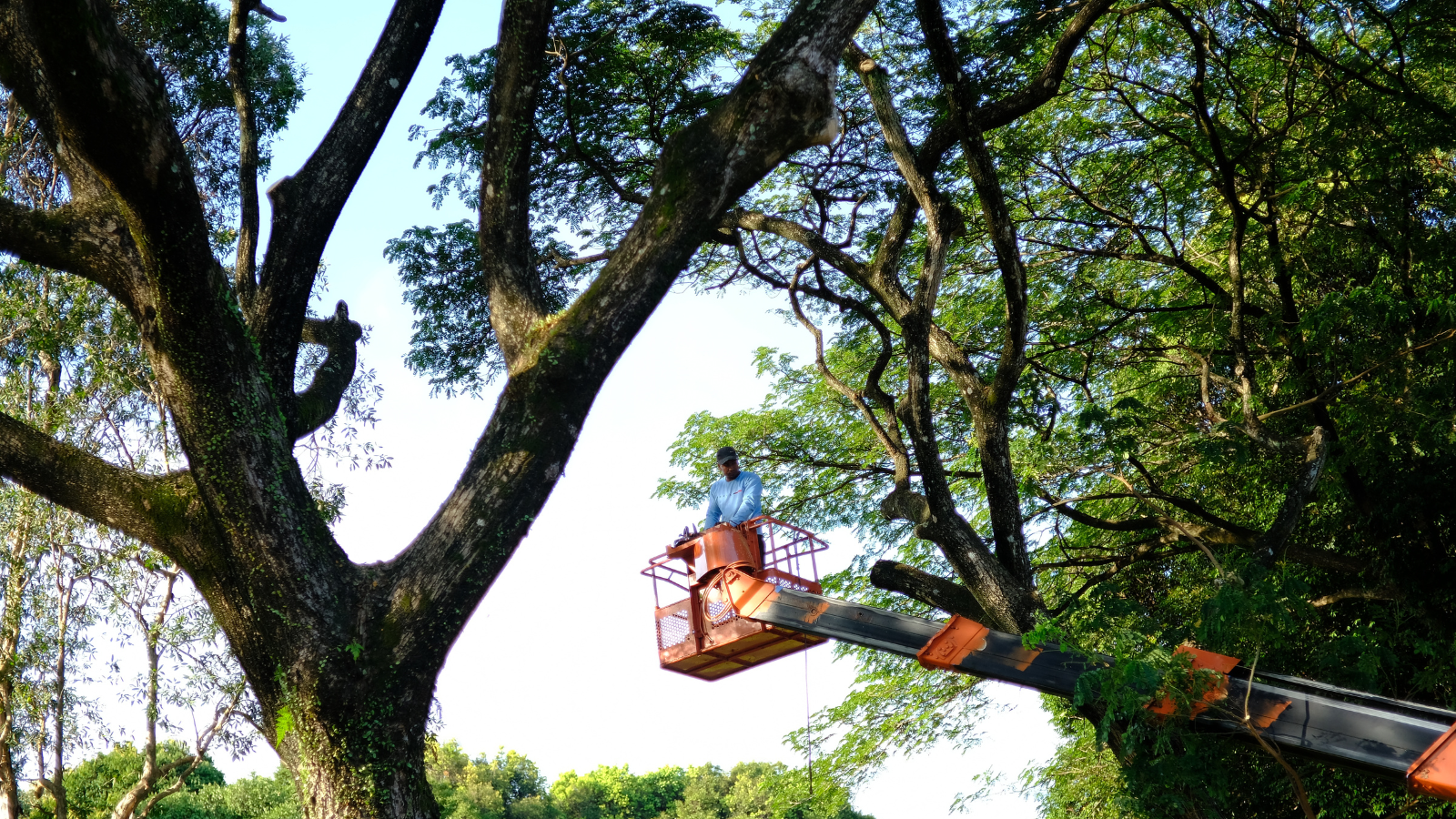


Trees are an essential part of our planet’s ecosystem, contributing to environmental health, community well-being, and economic stability. Proper tree management ensures that trees remain healthy, safe, and beneficial in urban and natural landscapes. Whether you’re a homeowner, property manager, or community leader, understanding the importance of tree management is key to creating a sustainable and vibrant environment.
Enhancing Environmental Sustainability
Healthy trees play a vital role in maintaining ecological balance. Effective tree management amplifies these benefits:
- Carbon Sequestration: Trees absorb carbon dioxide, reducing greenhouse gas levels and combating climate change.
- Air Quality Improvement: Trees filter pollutants, improving air quality and supporting respiratory health.
- Water Management: Trees reduce stormwater runoff, prevent soil erosion, and improve water infiltration.
- Wildlife Habitat: Well-managed trees provide shelter and food for a variety of species, fostering biodiversity.
Ensuring Public Safety
Unmanaged trees can become hazards, particularly during storms or in densely populated areas.
- Preventing Accidents: Regular pruning removes dead or weak branches, reducing the risk of falling limbs.
- Minimising Storm Damage: Tree management identifies structural weaknesses, preventing tree failures during extreme weather.
- Utility Line Clearance: Proper trimming ensures trees don’t interfere with power lines, reducing outages and safety risks.
Boosting Aesthetic and Property Value
Trees enhance the beauty of any landscape, and well-maintained trees significantly boost property value.
- Curb Appeal: Healthy, attractive trees enhance the visual appeal of homes, parks, and commercial areas.
- Higher Property Values: Homes with mature, well-maintained trees are often valued higher in real estate markets.
- Community Pride: Tree-lined streets and well-maintained green spaces foster a sense of community and belonging.
Supporting Urban Planning
In urban areas, tree management is crucial for creating sustainable and livable cities.
- Urban Heat Mitigation: Trees reduce temperatures in cities by providing shade and releasing water vapor.
- Energy Savings: Strategically planted trees lower cooling and heating costs for nearby buildings.
- Noise Reduction: Trees act as natural sound barriers, minimizing noise pollution in busy urban environments.
Promoting Tree Health and Longevity
Tree management ensures that trees thrive in various environments:
- Pruning for Growth: Regular pruning removes deadwood and promotes healthy branch growth.
- Pest and Disease Control: Monitoring and treating infestations or infections prevent tree decline.
- Soil Health: Proper tree care includes managing soil conditions for optimal nutrient absorption.
Preserving Cultural and Historical Trees
Some trees carry cultural, historical, or sentimental value, and tree management ensures their preservation.
- Heritage Tree Care: Specialised management practices protect iconic or ancient trees from environmental stressors.
- Educational Opportunities: Maintaining historical trees provides a platform to educate communities about their significance.
Encouraging Climate Resilience
Tree management helps communities adapt to changing climates by focusing on:
- Resilient Planting: Selecting species suited to evolving environmental conditions.
- Storm Preparation: Ensuring trees are structurally sound to withstand severe weather.
- Carbon Offset: Increasing urban and rural tree cover to mitigate carbon emissions.
Key Tree Management Practices
- Regular Inspections:
Assess trees for signs of disease, structural damage, or pest infestations. - Pruning and Trimming:
Maintain tree shape, remove dead wood, and promote healthy growth. - Proper Planting:
Choose the right species for the right location to avoid future issues with size, roots, or canopy spread. - Fertilisation and Mulching:
Provide essential nutrients and retain soil moisture for healthier trees. - Tree Removal When Necessary:
Remove hazardous or dead trees to protect surrounding vegetation and property.
How You Can Support Tree Management
- Hire Certified Arborists: Professionals can provide expert care for your trees.
- Participate in Tree Planting Programs: Join local initiatives to expand tree coverage in your area.
- Educate Your Community: Spread awareness about the importance of trees and how to care for them.
- Advocate for Policies: Support policies that prioritize urban forestry and environmental conservation.
Final Thoughts
Tree management is not just about keeping trees healthy—it’s about fostering a harmonious relationship between humans and nature. Trees provide shade, clean air, beauty, and countless other benefits, but they require care and attention to thrive. By prioritising tree management, we ensure a greener, safer, and more sustainable future for generations to come.