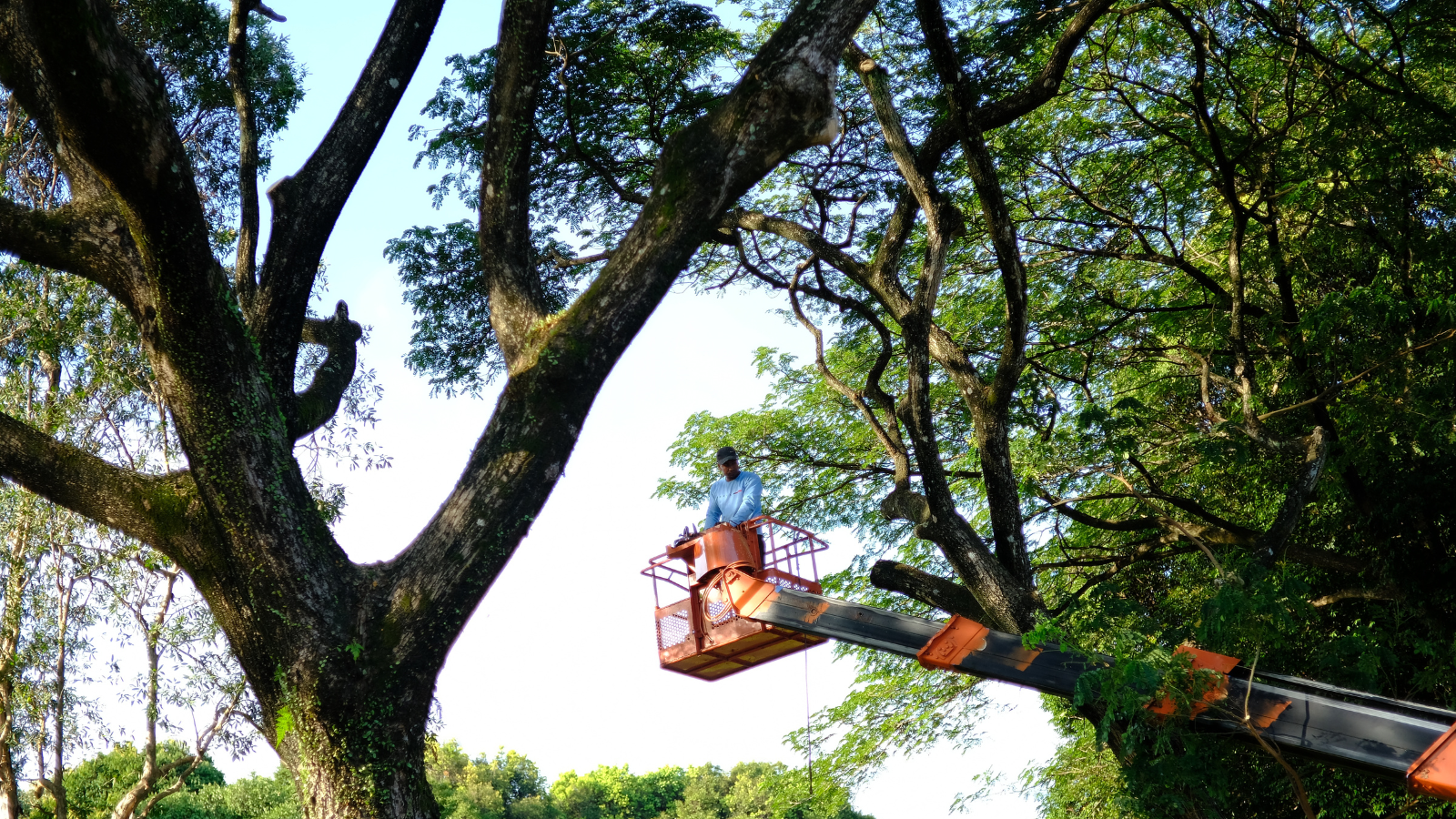


Tree pollarding is a crucial, historically rooted component of garden and property upkeep. These days, tree surgeons use it to keep trees and plants smaller than they would otherwise develop. Today, plant health and garden aesthetics are the key priorities when pollarding in towns and suburbs.
This quick pollarding guide will help to assist you in choosing the best tree service and informing your decisions on the upkeep of your garden and trees.
What Does Tree Pollarding Do?
It can:
- Rejuvenate specific shrubs and trees. Getting rid of weak or spindly branches allows the tree’s life energy to flow into the healthy area. Pollarding has the additional benefit of allowing for the removal of any rotting or diseased branches, which could eventually pose a risk to the property. (It’s kind of like going back in time to your adolescent years when you’re in your 40s; there are no aches and pains.)
- Encourage the development of healthy plants underneath the tree. Trees and shrubs that haven’t been pollarded can function as a canopy or umbrella over the ground. Tree pollarding and tree thinning can allow fresh air to circulate and sunshine to reach the ground. This promotes plant development, which may give the impression that the garden has “opened up.”
- At lower levels, increase the amount of foliage. Pollarding ensures that the new growth is visible at a lower level so that the focus is at eye level on frail brown wood. The height of the trees and plants in your yard can significantly alter how the area looks.
- Increase garden space. Unchecked tree growth can take up landscape space, diminish the appeal of your garden, and decrease its market value.
- A tree’s balance can be altered. High winds can make top-heavy trees close to structures problematic. So, pollarding and other tree surgery techniques can lessen the exposure of the tree canopy to wind and weather. This can lower the risk of dangerous tree failure.
- Keep trees and shrubs safely away from 3rd party services. Growth may impact and interfere with utilities (such as phone wires, street lighting, and electrical lines). You might be held accountable as the landowner.
Should I Pollard My Tree?
The following broadleaf trees respond well to pollarding:
- Oaks
- Beeches
- Willows
- Maples
- Chestnuts
- Lindens/Limes
- Planes
Don’t panic if it’s not on the list; a tree surgeon will give you advice on whether pollarding is appropriate and when the ideal time of year is.
A “Tree Haircut”
Last but not least, did you know that the word pollard derives from the old word “poll,” which referred to the top or crown of your head. To poll means to chop your hair in old English.
(P.s. – Regular pollarding upkeep on your trees will benefit them much like a decent haircut on your own head will. Snap, snap!)