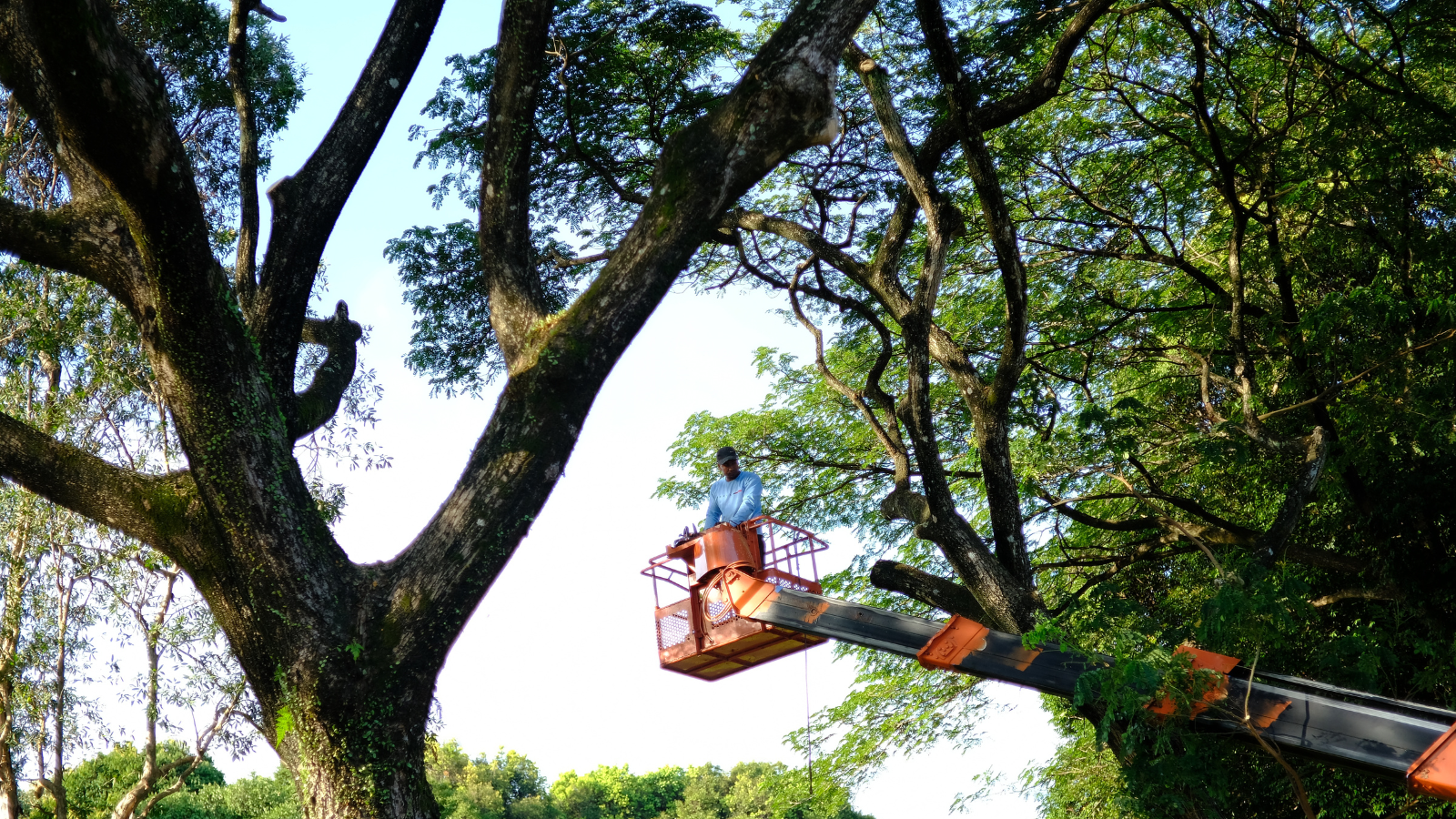


Knowing when tree removal should take place is essential for maintaining safe, functional, and well-managed outdoor spaces. While trees are valuable assets in both residential and commercial environments, there are situations where removal becomes necessary to prevent safety hazards, structural damage, or long-term environmental issues.
Deciding on removal should never be rushed. It requires careful assessment of tree health, surrounding risks, and future land use. In many cases, early identification of issues can prevent emergency situations and reduce overall maintenance costs.
Why Tree Removal May Be Necessary
Tree removal is typically considered a last resort, but there are several conditions where it becomes the safest and most responsible option.
Common reasons include:
- Severe structural instability
- Advanced disease or decay
- Storm damage beyond recovery
- Root system failure
- Risk to nearby buildings or infrastructure
- Obstruction of development or access
When these issues are present, delaying tree removal can increase risks to people, property, and surrounding vegetation.
Professional arborists assess whether a tree can be saved through pruning or bracing, or whether full removal is the safest long-term solution.
Tree Removal Due to Structural Instability
One of the most important indicators that tree removal may be required is structural weakness.
Trees can become unstable due to age, weather damage, or internal decay that is not always visible externally.
Warning signs include:
- Significant trunk leaning
- Large visible cracks or splits
- Hollow sections or cavities
- Dead or hanging branches
- Root plate movement or lifting
Once structural integrity is compromised, the likelihood of sudden failure increases, especially during high winds or heavy rainfall.
In such cases, professional evaluation is essential to determine whether removal is necessary or if remedial work is possible.
Disease and Decay Leading to Tree Removal
Tree diseases often progress internally before symptoms become obvious, making early detection difficult without expert assessment.
Common signs of serious decay include:
- Fungal growth at the base or trunk
- Extensive deadwood throughout the canopy
- Bark peeling or discolouration
- Weak or sparse leaf growth
- Evidence of internal rot
When decay is widespread, tree removal is often the only safe solution to prevent collapse and further spread of disease to nearby trees.
Timely intervention can also help protect surrounding landscapes and reduce the risk of wider environmental impact.
Weather Damage and Emergency Tree Removal
Extreme weather conditions are a major factor in emergency tree removal cases across the UK.
High winds, saturated soil, and storms can significantly weaken root systems and structural integrity.
Trees near:
- Residential buildings
- Roads and pathways
- Commercial properties
- Public spaces
…should be inspected following severe weather events.
In some cases, trees may appear stable but have hidden internal damage that only becomes apparent during professional inspection.
Property owners often coordinate broader repair and reinstatement work following outdoor damage, including interior surface restoration and flooring repairs. Integrated property care considerations such as these are often discussed alongside outdoor maintenance planning.
When Tree Removal Supports Site Development
Tree removal is sometimes required for construction, redevelopment, or landscaping projects.
This may occur when:
- Trees obstruct building plans
- Roots interfere with foundations or drainage
- Space is required for access or utilities
- Trees block essential light or visibility
In these situations, arborists may explore alternatives such as crown reduction or root management before recommending full tree removal.
Where removal is unavoidable, careful planning ensures minimal environmental disruption and compliance with local regulations.
The Importance of Professional Tree Assessment
Deciding when tree removal should take place requires expert evaluation rather than guesswork.
Professional arborists assess:
- Structural stability
- Root health
- Disease progression
- Environmental risk factors
- Long-term tree viability
This ensures that removal decisions are made safely, responsibly, and only when necessary.
It also helps property owners avoid unnecessary removals while addressing genuine risks effectively.
Final Thoughts
Understanding when tree removal should take place is essential for maintaining safe, well-managed outdoor environments. Whether due to structural instability, disease, storm damage, or development needs, timely action helps protect people, property, and surrounding landscapes.
Professional assessment ensures that decisions are informed, compliant, and environmentally responsible.
For expert advice, safe tree removal services, and professional arboricultural support, contact Severn Tree Management today.