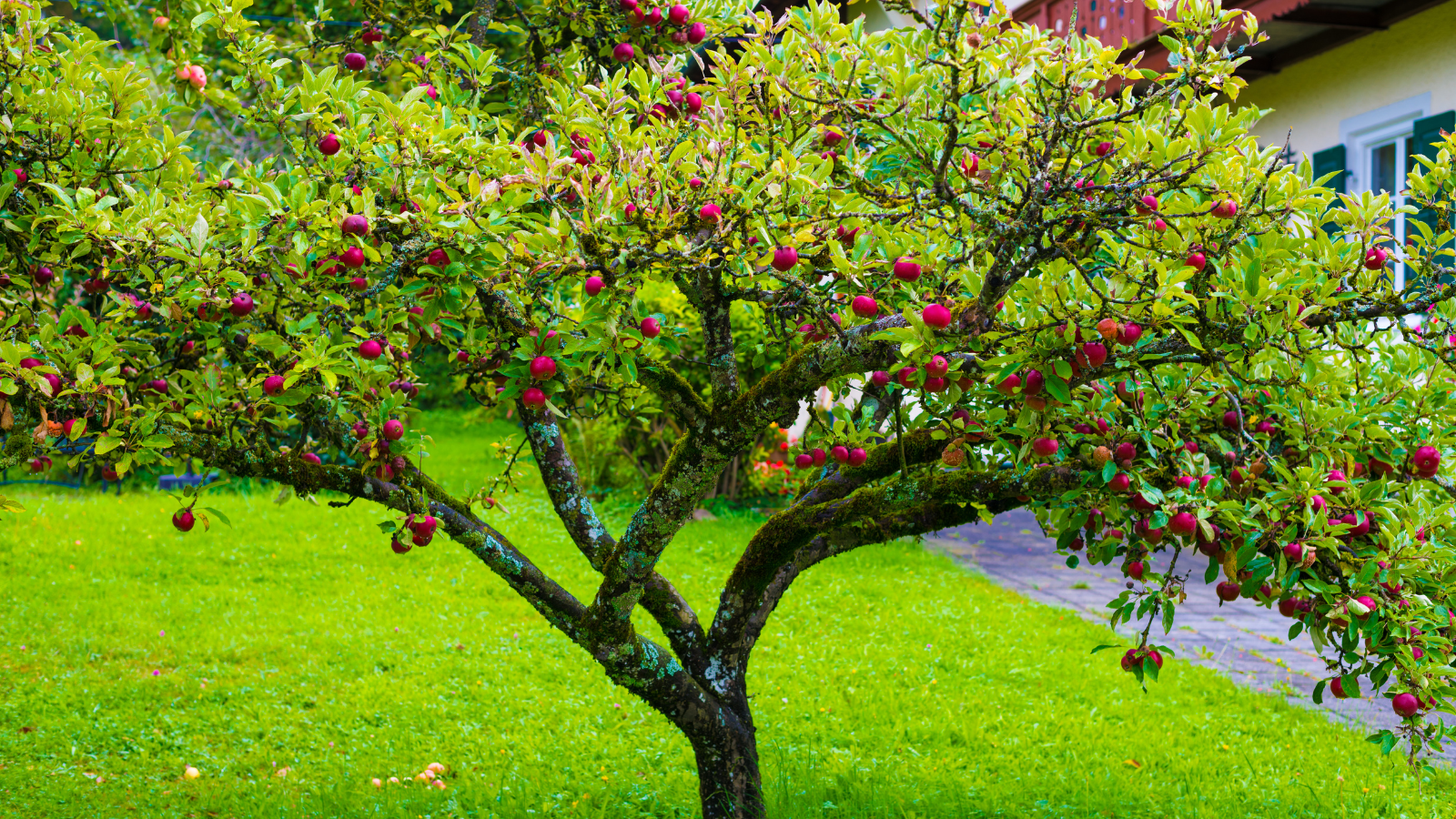


As the leaves begin to fall and temperatures drop, many property owners turn their attention to garden maintenance. One of the most effective—and often overlooked—tasks during this time of year is pruning trees. Autumn offers the ideal conditions for shaping, strengthening, and preparing your trees for the colder months ahead.
At Severn Tree Management, we’re often asked: “When is the best time to prune trees?” While certain species benefit from spring or summer pruning, pruning trees in autumn provides a wide range of benefits for both tree health and property safety. Here’s why it’s a smart move before winter sets in.
1. Trees Are Entering Dormancy
One of the biggest advantages of pruning trees in autumn is that trees are beginning to enter their dormant phase. As growth slows down:
- Trees are less likely to experience stress from pruning
- Sap loss is reduced
- Cuts are less attractive to pests and pathogens
This allows your trees to heal more efficiently, without the added pressure of active growth or high insect activity.
2. Easier to See Tree Structure
With leaves falling away, autumn provides a clearer view of the tree’s overall structure. This makes it easier for arborists to:
- Spot dead, damaged, or diseased limbs
- Identify poor branch formations
- Plan cleaner, more effective cuts
A precise structural prune in autumn can dramatically improve the shape and strength of the tree going forward.
3. Prevent Winter Storm Damage
In the UK, winter storms can bring heavy rain, strong winds, and even snow—all of which pose a risk to weak or overextended branches. By pruning trees in autumn, you reduce the risk of:
- Broken limbs
- Falling branches
- Damage to property, cars, or garden structures
This is especially important for trees near homes, roads, and footpaths.
4. Disease and Pest Risk Is Lower
Pruning during the growing season can sometimes open trees up to diseases, especially fungal infections. In autumn, the cooler weather and lower insect activity mean:
- Fewer fungal spores in the air
- Reduced chance of pest infestation at pruning wounds
This is particularly beneficial for species susceptible to diseases like silver leaf or bacterial canker.
5. Healthier Spring Growth
When trees are pruned in autumn, they go into winter free from dead or diseased wood. Come spring, the tree can focus its energy on:
- New, healthy growth
- Flower and fruit production
- Structural development
In short, pruning trees in autumn sets them up for a strong, vibrant growing season.
Best Practices for Pruning Trees in Autumn
If you’re considering pruning your trees this season, here are some tips:
- Avoid pruning too early – Wait until most leaves have dropped and the tree is dormant.
- Don’t over-prune – Removing too much at once can stress the tree.
- Use clean, sharp tools – This ensures clean cuts that heal quickly.
- Know your tree species – Some trees, like magnolias and birches, are best pruned in late summer or early spring.
Better yet, hire a certified arborist to ensure your trees are pruned correctly and safely.
Let Severn Tree Management Help
At Severn Tree Management, we specialise in professional tree care across the UK, with tailored services for every season. Our autumn pruning services include:
- Deadwood removal
- Structural pruning
- Crown thinning or reduction
- Disease and damage inspection
We’re fully insured, qualified, and committed to preserving the long-term health of your trees.
Ready to prepare your trees for winter?
Contact Severn Tree Management today to schedule your autumn pruning service or request a free site visit.