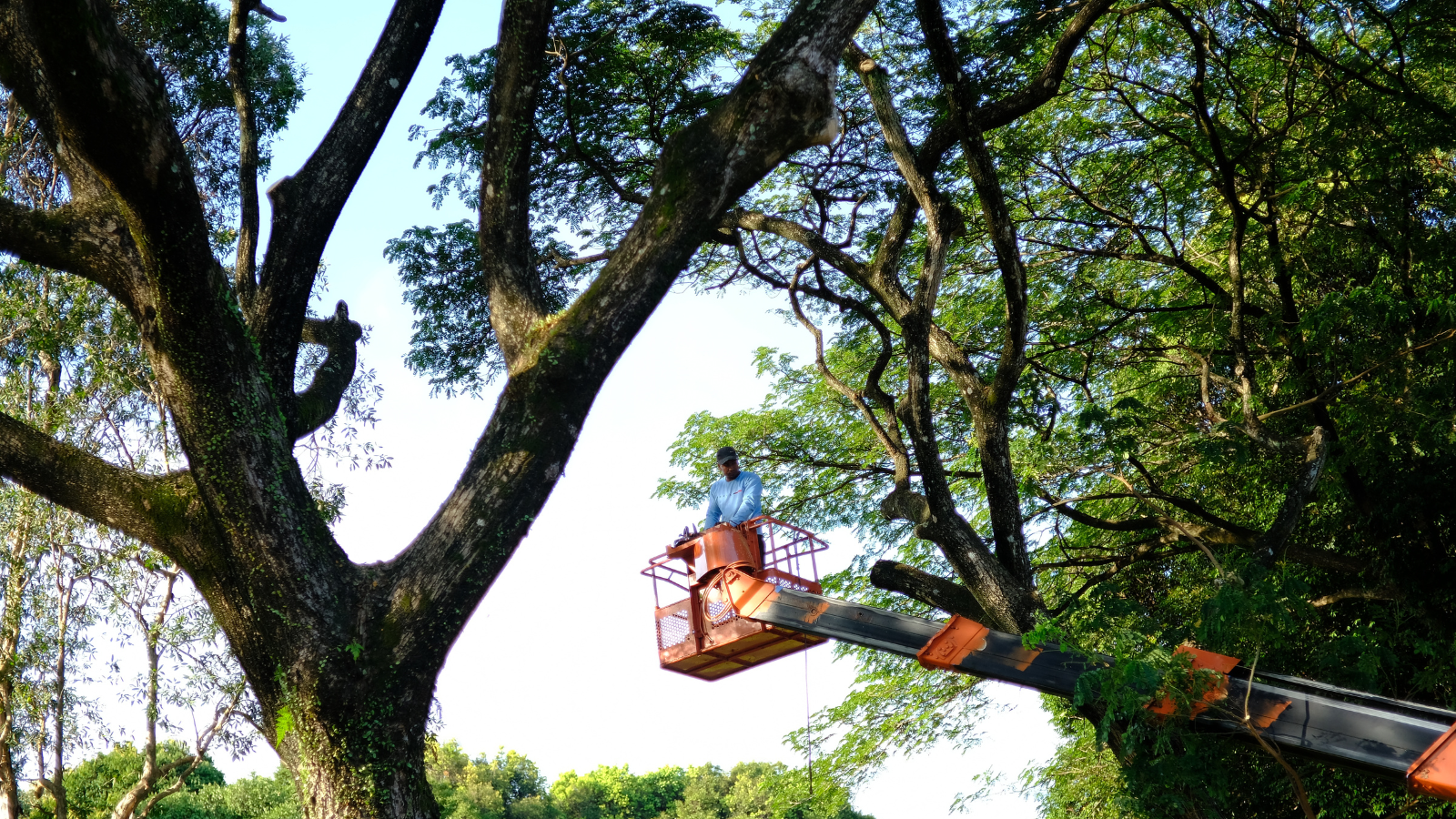


Summer is a time of vibrant growth, warm weather, and long days spent outdoors—but it’s also a critical season for tree care. The combination of heat, dry spells, pests, and increased human activity can stress even the healthiest trees.
Whether you have mature oaks, decorative cherry trees, or newly planted saplings, proper summer maintenance is essential to keep your trees strong and thriving. Here’s your guide to essential tree care this summer in the UK, ensuring safety and security for your trees, both currently and in the future.
1. Water Wisely During Dry Spells
The UK can experience extended periods of drought during the summer months, especially in the south. Trees—especially newly planted ones—need consistent watering to establish healthy root systems.
- Water early or late in the day to reduce evaporation.
- Use a soaker hose or slow trickle method to encourage deep root growth.
- Mulch around the base (but not against the trunk) to retain moisture.
Tip: Young trees may need watering every few days during hot, dry spells.
2. Mulch to Beat the Heat
A layer of organic mulch—such as wood chips or bark—helps regulate soil temperature, retain moisture, and suppress weeds.
- Spread mulch in a 5–10 cm layer.
- Keep mulch 10–15 cm away from the base of the tree to prevent rot and pests.
3. Inspect for Pests and Disease
Summer warmth can bring out a host of pests and fungal problems. Common summer threats include:
- Aphids and caterpillars feeding on leaves
- Honey fungus and powdery mildew
- Oak processionary moth (particularly in southern England)
Check regularly for unusual leaf damage, dieback, or oozing sap. If you suspect a problem, it’s best to consult a certified tree surgeon or arborist for diagnosis and treatment. Summer tree care is a process that requires frequent attention.
4. Avoid Heavy Pruning
While light pruning to remove dead or damaged branches is fine, avoid heavy pruning during summer. Excessive cutting can stress trees and expose them to sun scorch and pests.
- Focus on deadwood removal and light shaping only.
- Save major pruning for late autumn or winter, when the tree is dormant.
5. Watch for Signs of Stress
Heat stress can show up in several ways:
- Wilting, curling, or scorched leaves
- Early leaf drop
- Cracks in bark or sunken areas on the trunk
If you notice these signs, increase watering and avoid any further stress to the tree, such as construction or soil compaction.
6. Protect Trees from Lawn Equipment
Lawn mowers and strimmers can cause damage to tree bark, especially in younger trees with thinner trunks. This damage can leave the tree vulnerable to infection.
Use mulch rings or tree guards to create a buffer zone.
7. Support Young Trees
If you’ve planted trees within the last 2–3 years, check that their stakes and ties are still secure but not too tight. Loosen or adjust ties as the tree grows to prevent girdling.
Final Thoughts
Summer is a time of beauty and growth, but it’s also when trees are most vulnerable to heat, drought, and pests, which is why summer tree care is crucial. The changes in climate in the UK can negatively impact tree health greatly. With a little care and attention, you can ensure your trees stay healthy, provide shade, and enhance your garden for years to come.