

As climate change continues to pose one of the greatest challenges of our time, trees are becoming increasingly recognised as powerful allies in the fight against a warming planet. From ancient woodlands to urban street trees, the UK’s tree cover plays a crucial role in capturing carbon, cooling cities, and supporting biodiversity.
In this post, we explore how trees help combat climate change—and why planting, maintaining, and protecting them is more important than ever.
1. Carbon Capture and Storage
Trees absorb carbon dioxide (CO₂)—the primary greenhouse gas responsible for global warming—through photosynthesis. This carbon is stored in their trunks, branches, leaves, and roots. One mature oak tree can absorb up to 150 kg of CO₂ per year.
With around 13% of the UK covered in woodland, our forests already remove millions of tonnes of carbon from the atmosphere annually. However, there is room to grow: increasing tree cover to just 19% by 2050 could help the UK meet its net-zero carbon goals.
2. Cooling Urban Areas
Climate change brings more frequent and intense heatwaves, particularly in towns and cities. Trees provide natural cooling by offering shade and releasing moisture into the air through a process called transpiration.
Urban trees can reduce temperatures by several degrees, making streets and homes more comfortable while lowering the need for energy-intensive air conditioning. This makes planting and maintaining trees in built-up areas a key strategy for climate adaptation.
3. Flood and Erosion Control
Warmer, wetter winters are leading to increased flooding across the UK. Trees help by absorbing rainwater through their roots, slowing runoff and reducing the strain on drainage systems. Their root systems also stabilise soil and help prevent erosion, especially on slopes and riverbanks.
In rural and agricultural landscapes, planting trees along waterways—also known as riparian planting—can significantly reduce flood risk and improve water quality.
Trees have a crucial role during Winter for these reasons, so maintenance through colder seasons is more than vital.
4. Wildlife and Biodiversity Support
Climate change puts immense pressure on wildlife. Trees provide essential habitat and food sources for countless species, helping preserve the delicate balance of our ecosystems. Diverse, resilient woodlands can also adapt more effectively to climate shifts, maintaining their ecological benefits over time.
By protecting biodiversity, we ensure that ecosystems continue functioning and delivering services like pollination, clean air, and water purification—all of which are vital in a warming world.
5. The Role of Tree Surgeons in Climate Action
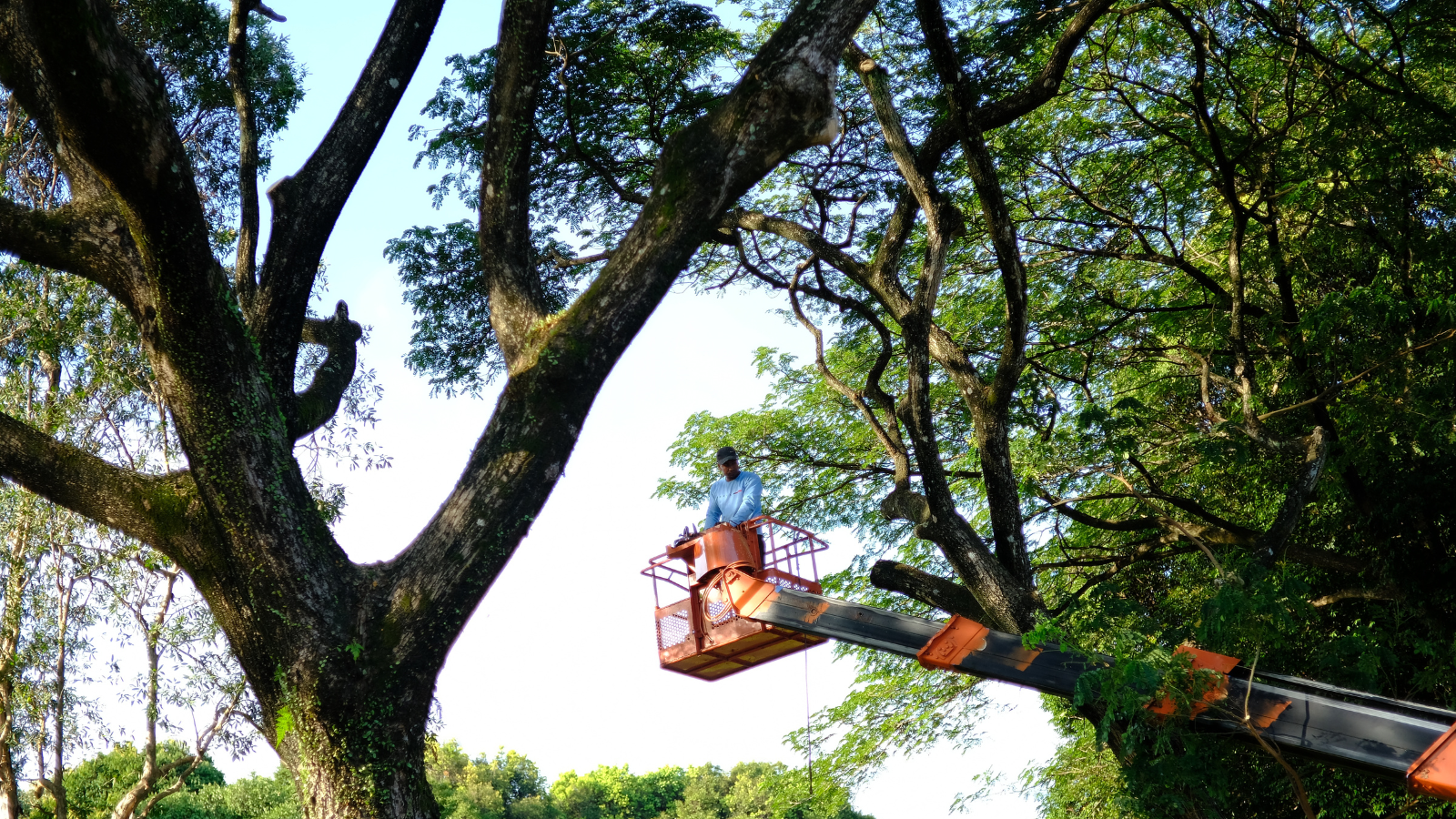
Tree surgeons and arborists play a crucial role in this fight. Proper tree care ensures that existing trees remain healthy and continue to capture carbon effectively. Removing diseased or dangerous trees and replacing them with new plantings ensures long-term sustainability.
In urban environments especially, regular maintenance—including crown thinning, deadwood removal, and formative pruning—helps trees thrive in challenging conditions.
Final Thoughts
Whether you’re a homeowner, land manager, or simply someone who enjoys the beauty of a tree-lined street, we all have a role to play in supporting the UK’s green infrastructure. By planting more trees and caring for the ones we already have, we’re not just enhancing our landscapes—we’re taking meaningful action against climate change.