

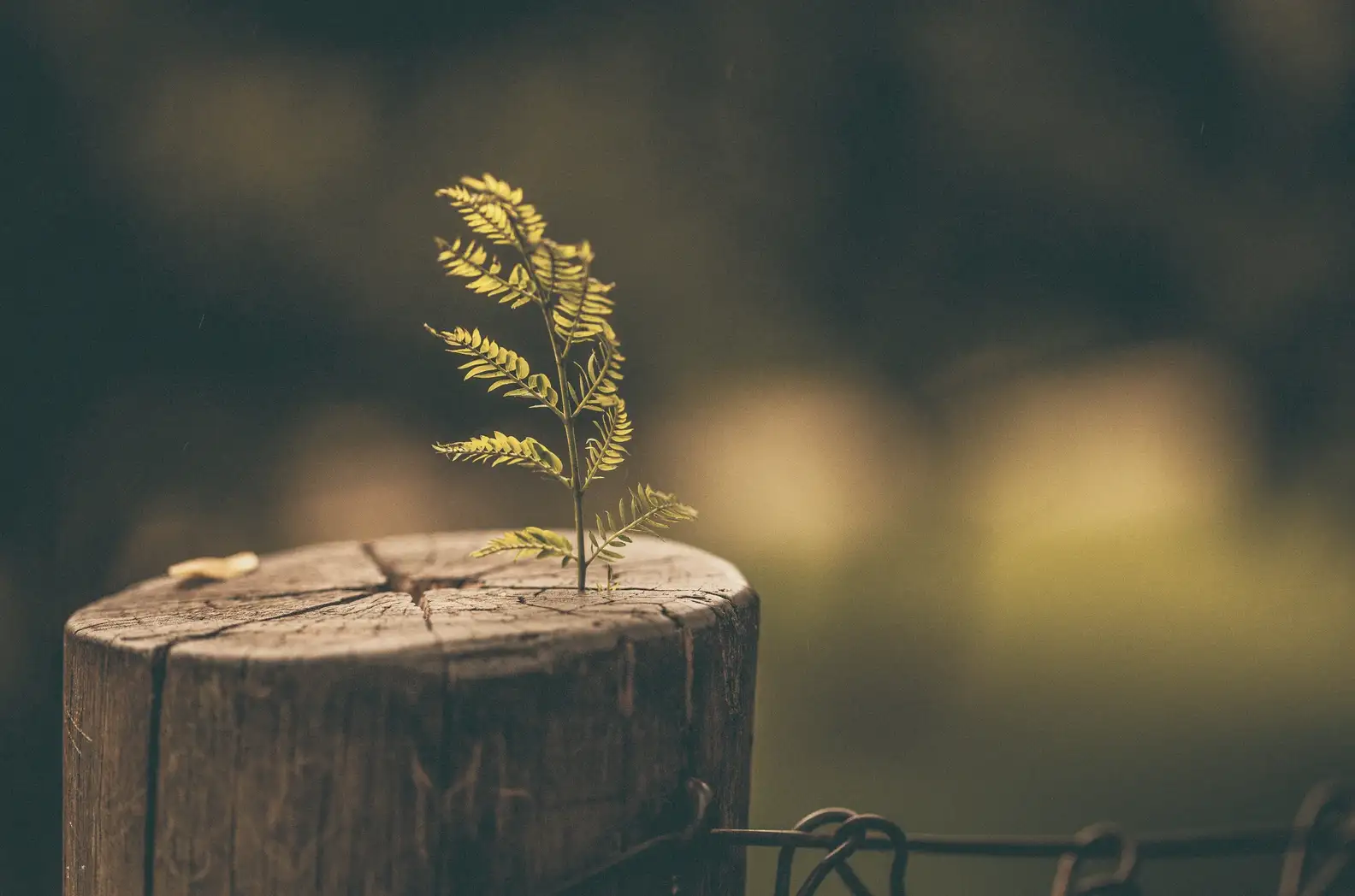
After cutting down a tree, the remaining stump can become an unexpected nuisance if it starts to sprout new growth. Tree stumps are resilient and can regrow unless properly treated or removed. Whether you want to maintain a tidy garden or prevent future tree problems, here are the most effective ways to prevent stump regrowth.
Why Do Tree Stumps Regrow?
Even after a tree is cut down, the root system remains active beneath the soil. The stump may sprout new shoots in an attempt to survive and regenerate. This regrowth can lead to persistent tree sprouts and create ongoing maintenance challenges if not addressed properly.
Methods to Prevent Stump Regrowth
Stump Grinding
One of the most effective ways to prevent regrowth is through stump grinding. This method involves using a specialised machine to grind the stump down below ground level, which disrupts the root system and prevents further sprouting.
Benefits of Stump Grinding:
- Quick and efficient removal
- Minimises regrowth potential
- Leaves the area ready for replanting or landscaping
Tip: Hire a professional stump grinding service for large or hard-to-reach stumps to ensure complete removal.
Chemical Stump Killers
Chemical treatments can be used to stop stump regrowth by killing the living tissue inside the stump. These products contain herbicides designed to penetrate and destroy the stump’s root system.
How to Use Chemical Stump Killers:
- Drill holes into the stump’s surface for better absorption
- Apply the chemical stump killer according to the manufacturer’s instructions
- Allow time for the chemicals to take effect (usually several weeks)
Safety Note: Always wear protective gear when handling herbicides and keep chemicals away from pets and children.
Manual Stump Removal
For small or shallow-rooted stumps, manual removal is an option to prevent stump regrowth. This method involves physically digging out the stump and roots, ensuring no remaining tissue can sprout new growth.
Steps for Manual Stump Removal:
- Use a shovel to dig around the stump and expose the roots
- Cut through large roots with an axe or saw
- Leverage the stump out of the ground using a pry bar
Tip: Manual removal is labor-intensive but effective for smaller stumps.
Natural Stump Decay
If you prefer an eco-friendly approach, you can speed up the natural decomposition of the stump by encouraging fungal growth.
How to Accelerate Stump Decay:
- Drill holes in the stump and fill them with a nitrogen-rich fertilizer
- Keep the stump moist to promote fungal and microbial activity
- Cover the stump with mulch to retain moisture and speed up decay
Note: This method takes longer but is chemical-free and sustainable.
Repeated Cutting of Sprouts
If new shoots continue to emerge, consistently cutting them back will eventually exhaust the stump’s energy reserves and prevent stump regrowth.
Effective Sprout Management:
- Monitor the stump for new shoots
- Cut off any regrowth promptly
- Repeat the process until the stump no longer produces new growth
Preventing Future Stump Regrowth
- Always remove as much of the root system as possible when cutting down a tree
- Use professional services for large stumps or stubborn species
- Apply herbicides carefully and follow environmental guidelines
Final Thoughts
Preventing stump regrowth requires a proactive approach and the right methods for your specific situation. Whether through stump grinding, chemical treatments, or natural decay, there are effective solutions to ensure stumps don’t become a recurring problem. By choosing the best method for your needs, you can maintain a clean, stump-free landscape for years to come.

