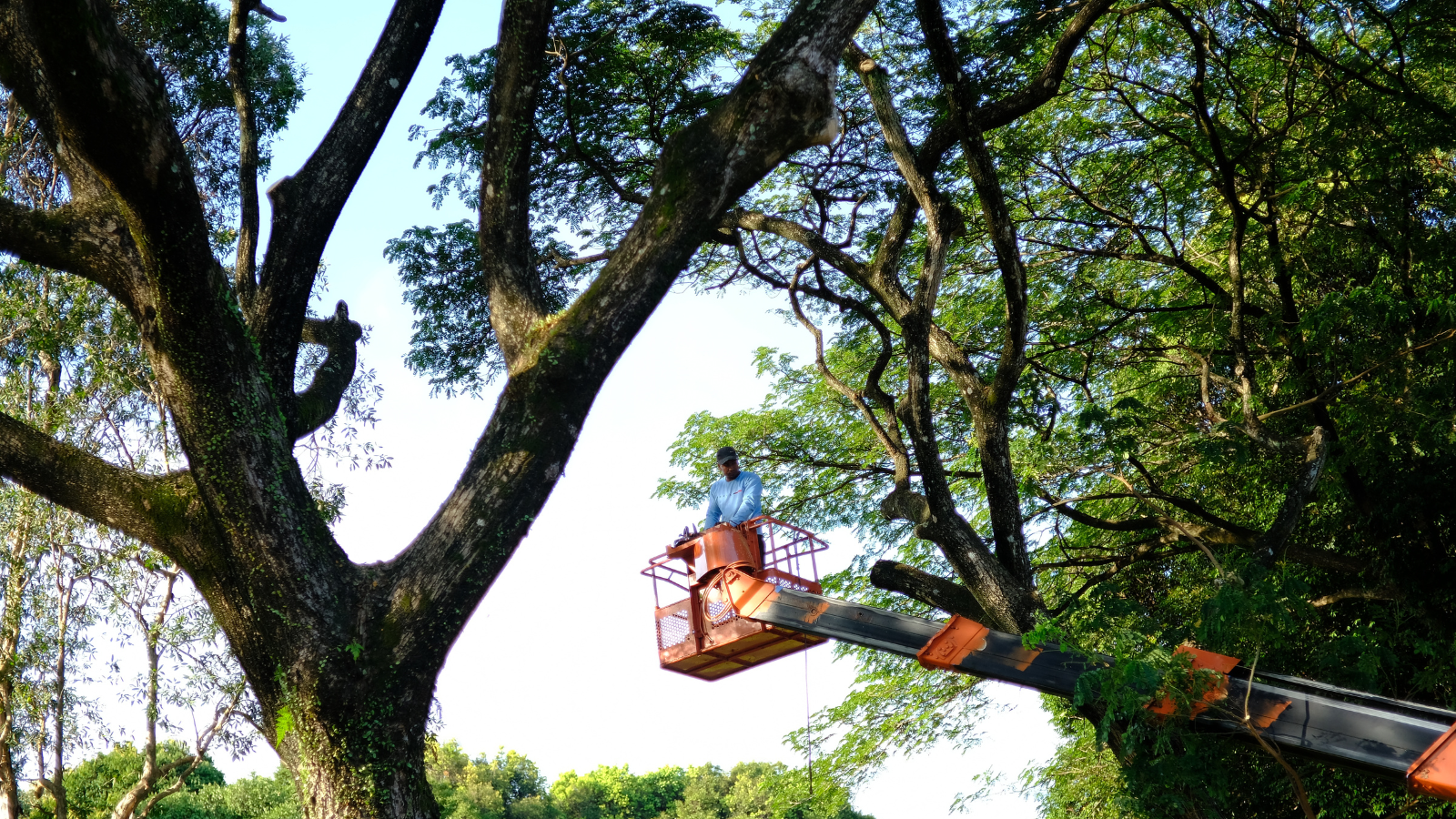


Tree pollarding is a pruning technique that restricts the height of a tree to a certain level in order to produce dense foliage. This method usually happens every year or once a planted tree grows to a certain height. So, what are the benefits?
Does Tree Pollarding Have Health Benefits?
Many reasons exist for pollarding, including:
- Keep the tree from contracting a disease or failing.
- Avoid the development of low, invasive branches
- Keep the tree branch from developing co-dominant stems that would weaken the site of origin.
- Ensure the tree doesn’t perish.
Does Pollarding Benefit The Tree?
In general, pollarding benefits trees. However, since not all trees can benefit from pollarding, you should be able to identify those that can.
Mature trees should not be pollarded because doing so runs the risk of endangering the health of the tree, especially if the tree is not the right kind.
Young trees should be pollarded since they grow quickly and are more disease resistant.
Perhaps reducing your tree’s shade and making it less thick is the main goal of pollarding it. Ironic, though, that while trees are necessary for shading, many of their byproducts can be harmful.
Outgrowth of leaves and branches may result in:
- Invade a neighbor’s space
- Street vehicles damaged
- Electrical cables obstructed
- Slick roadways due to discarded, dry leaves
- Dangerous trees that have fallen
Major Pollarding Benefits
- Tree’s Health Improved
- Reduce the possibility of large branches falling and covering the surface with decaying fruit, stems, and leaves.
- Trees that have been pollarded benefit from transplantation. Additionally, it enables the plants to produce fruit when necessary.
- To remove branches so that wood can be harvested for products, trees are pollarded.
- A tree that has been heavily pollarded may eventually produce fruits and an abundance of blooms.
- Another excellent fuel source is tree wood.
Depending on their seasonal bloom, certain trees are pruned to prevent mortality.
Aesthetic Benefits
Trees are pollarded largely for aesthetic reasons. It entails chopping the tree’s trunk in order for it to grow large or dense branches.
Beech trees in Essex, England, and other trees in Europe are pollarded for functional and aesthetic reasons:
- Parks need to be kept tidy, so local city officials make sure that trees are well-lined or compact to stop overhanging branches and leaves from intruding on nearby properties and power lines.
- Private landscapes must maintain a spotless lawn despite their restricted acreage by regularly having their trees pruned or removed when they begin to look unpleasant.
- Pollarding aids in sustaining the tree and keeping it together to grow over the years and benefit from it in cycles rather than cutting down trees and having access to their timber.
Can Pollarding Have Negative Effects?
By pollarding, you can cut off the tree’s main leader and lateral branches. To stop grazing animals from reaching for new growth, you should start trimming at a height of at least 6 feet off the ground.
The crown will ultimately grow back, so you’ll never have to worry that your tree will look like it was cut down to a stick after trimming.
Just why pick young trees?
Younger trees recover more quickly from illness than older ones and are less susceptible to it. Many people believe pollarding to be a terrible practise. Not pollarding but topping is the improper method of tree pruning.Topping is a standard procedure for elderly trees that involves removing the top portion of the tree or the central trunk. Regrowth is thus hindered and dissuaded.
Pollarding a tree should be regular and consistent for optimal results. Depending on the goal of the pollarding, the cycle will vary.
Once every two years is sufficient for landscaping. However, pollarding should take place every five years if you want to dedicate your time to pollarding a tree for energy and sustainable resources.
At Severn tree Management we have the expertise and specialised machinery to ensure that all Pollarding is completed at the highest level with the main focus on the tree’s health